
Every January arrives with the same familiar promises.
Fresh starts.
New targets.
New strategies.
New slide decks.
And yet, by February, many leaders are quietly wondering why the energy hasn’t quite landed.
Here’s the uncomfortable truth:
Most organisations don’t have a motivation problem.
They have a meaning problem.
Why Motivation Isn’t the Real Performance Issue
Leaders often ask how elite teams “motivate” people.
The honest answer is: we don’t.
In elite sport, motivation is assumed to fluctuate. People are human. Mondays exist. So do bad nights’ sleep and questionable refereeing decisions.
Instead, high-performing teams focus on clarity.
Clarity about:
- Why the work matters
- What standards are non-negotiable
- How people are expected to behave under pressure
When the purpose is clear, effort becomes easier.
When the purpose is fuzzy, effort becomes optional.
This is as true in business as it is in elite sport.
Mission Statements That Actually Drive Behaviour
Many mission statements look impressive.
Far fewer are useful.
A strong mission is not there to decorate reception walls.
It exists to guide behaviour when things are uncomfortable.
Organisations such as Laing O’Rourke and NTT treat mission as a decision-making filter, not a branding exercise.
Their purpose answers questions people rarely say out loud:
- What really matters here?
- What won’t we compromise on?
- How do I make decisions when nobody is watching?
If a mission only works when things are going well, it isn’t a mission.
It’s wallpaper.
Organisational Culture: What You Tolerate Under Pressure
In elite sport, culture is never what the coach says in public.
Culture shows up:
- When someone underperforms
- When standards slip
- When pressure exposes behaviour
The same applies in organisations.
You don’t get the culture you talk about.
You get the culture you tolerate.
If behaviours are quietly ignored because “they deliver results” or “now isn’t the time”, those behaviours define your culture.
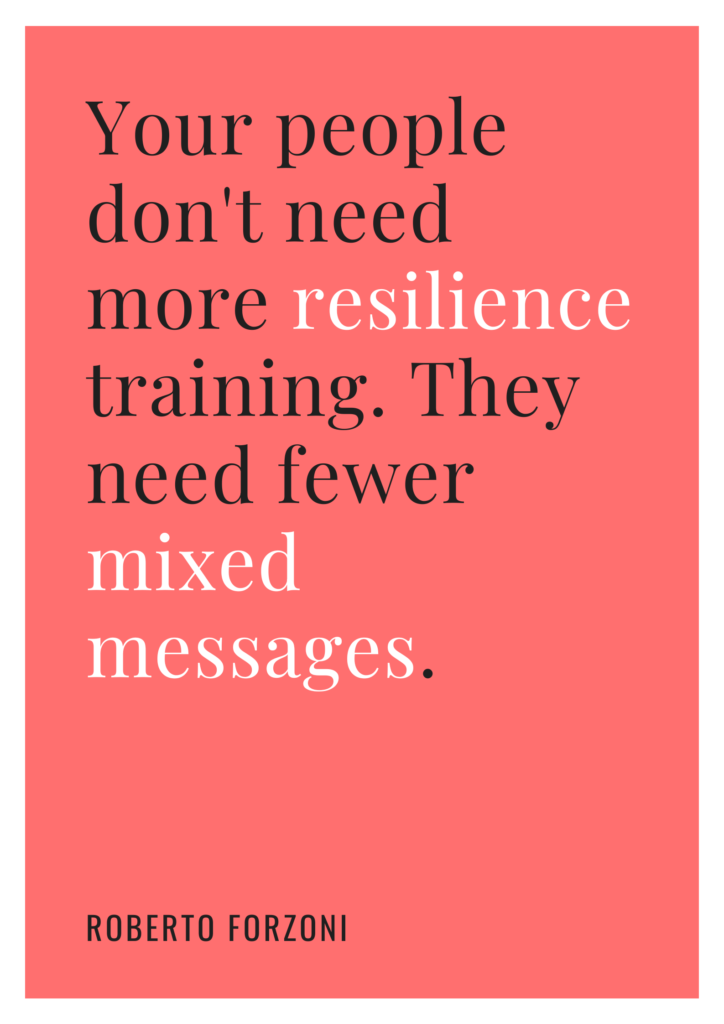
Your people see this far more clearly than leaders often realise.
Why 2026 Is a Leadership Reset Moment
After years of uncertainty, hybrid working and constant change, many employees are asking a simple question: “Is this worth my energy?”
In elite sport, we call moments like this a reset window. A chance to re-contract psychologically with the team:
- What we expect from each other
- What we stand for under pressure
- How we behave when it’s hard, not just when it’s easy
If leaders don’t define the narrative for 2026, the environment will.
And the environment rarely chooses clarity or performance.
How Leaders Actually Energise Teams
I was pleased to be invited to work with Acorn Group as they look to energise their team for 2026.
What stood out was not a desire for louder motivation or shinier messaging, but a willingness to ask better leadership questions:
- What truly matters here?
- What do we want people to feel proud of?
- How do we turn values into daily behaviour?
This is where energy comes from.
Not hype.
Not slogans.
Not another initiative.
Just clarity, consistency and leadership behaviour that matches the message.
A Simple Leadership Test for 2026
Here’s a deceptively simple test for leaders:
After you speak, do people feel clearer or more confused?
Clarity is calming.
Clarity is energising.
Clarity improves performance.
Confusion, on the other hand, is exhausting.
And exhaustion is expensive.
Leadership, Performance and the Human System
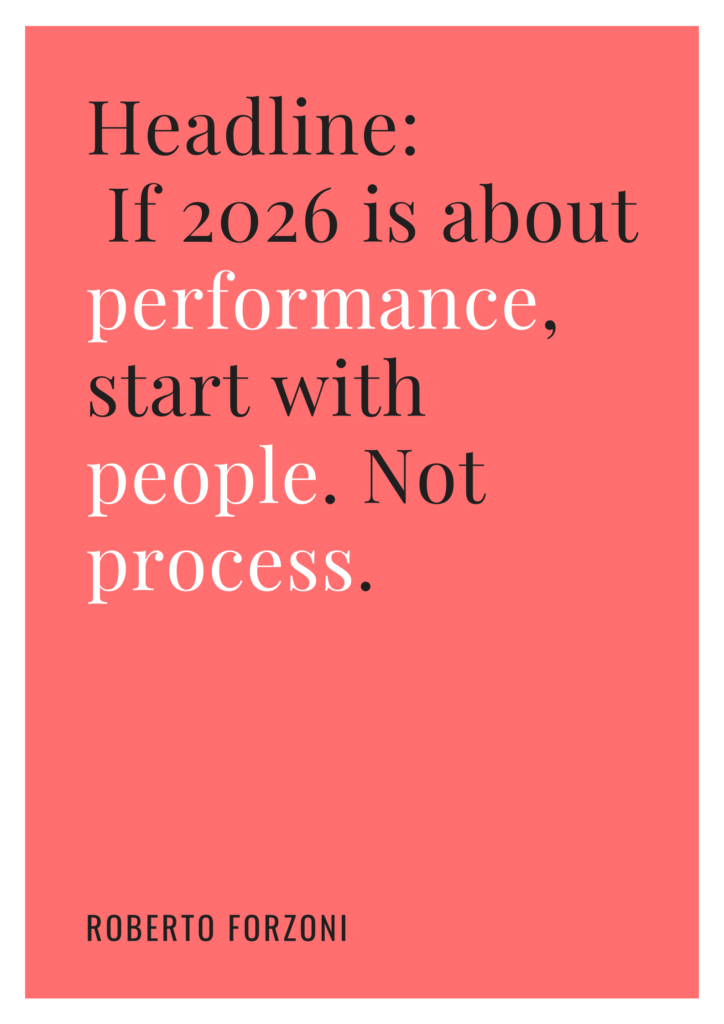
The strategy doesn’t perform.
Systems don’t perform.
People perform.
And people perform best when they understand:
- Why the work matters
- What’s expected of them
- Where the behavioural line is
So here’s the final question:
If you asked ten people in your organisation what your mission really means, would they answer quickly — or politely panic?
The answer tells you everything you need to know about performance in 2026.