

Pressure. It is the defining factor in both sport and business. In elite sport, it can mean the difference between winning gold and leaving empty-handed. In business, it can mean securing the contract that defines your quarter – or missing out altogether.
The ability to perform under pressure is not simply a skill – it is a science. And it is a science that can be learned, trained, and improved.
As a performance psychology speaker who has worked with Olympians, Premier League footballers, and international businesses, I have seen how pressure can bring out both the best and worst in people. The key is learning to manage it effectively.
This article will explore the psychology of pressure, the common mistakes leaders and teams make, and the practical lessons from elite sport that can transform performance in the corporate world.
Why Pressure Matters in Business
For CEOs and HR leaders, pressure shows up in many ways:
- Tight deadlines with no margin for error.
- High-stakes presentations to boards, clients, or investors.
- Rapid organisational change creates uncertainty and stress.
- Market competition where minor errors can cost millions.
- Talent management – ensuring your best people don’t crack under strain.
Just as in sport, pressure situations in business are inevitable. What matters is how you and your teams respond when it matters most.
The Science of Pressure
Pressure is not simply stress. Stress can exist in low-stakes scenarios. Pressure is different – it is stress combined with consequence. The higher the perceived consequence, the greater the pressure.
Psychologists have studied this for decades. The Yerkes-Dodson Law shows that performance increases with stress up to a point, then declines when arousal becomes too high. In other words, too little pressure and people coast. Too much pressure and they choke. The sweet spot is optimal arousal – where energy and focus drive peak performance.
The challenge for leaders is helping their teams find—and stay in—that sweet spot.
Common Mistakes Under Pressure
From elite sport to boardrooms, I see the same mistakes repeated:
- Overthinking – Paralysis by analysis. The mind clogs with detail, slowing down decision-making.
- Negative self-talk – The inner critic takes over, amplifying fear of failure.
- Tunnel vision – Stress narrows perspective, leading to poor judgment.
- Blame culture – Teams implode when mistakes are met with blame rather than support.
- Lack of preparation – Hoping to “wing it” in high-stakes moments.
The good news? These can all be overcome with the right mindset and strategies.
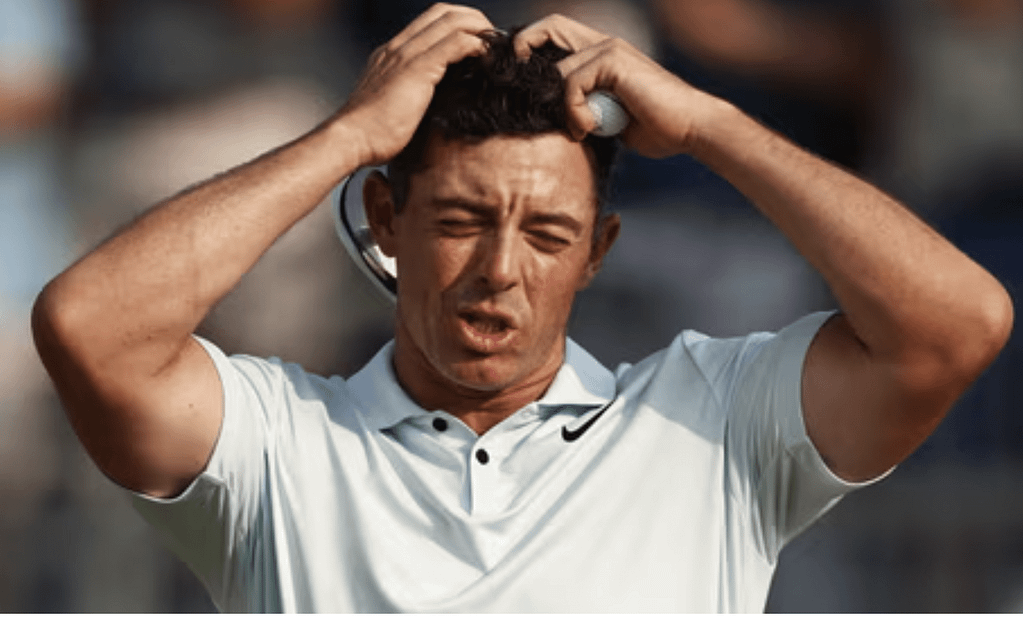
Lessons from Elite Sport
1. Preparation Creates Confidence
When Andy Murray was preparing for the Wimbledon finals, pressure was inevitable. What reduced it was meticulous preparation. Every aspect of his training, nutrition, and psychology was designed to ensure nothing was left to chance.
In business, pressure often feels heavier because of poor preparation. Leaders walk into boardrooms undercooked. Teams face deadlines without transparent processes.
What you can do:
- Break down big goals into smaller, controllable steps.
- Rehearse key presentations under simulated pressure.
- Ensure clarity of roles before high-stakes projects.
Key takeaway: Preparation does not remove pressure – it creates confidence to handle it.
2. Focus on Process, Not Outcome
Elite athletes know that focusing on results (winning gold, breaking a record) can increase pressure. Instead, they focus on controllable processes – the serve, the sprint start, the next pass.
When I worked with Olympic sprinter Jeanette Kwakye, the shift was moving from “I must medal” to “I must execute my first 30 metres cleanly.” That process focus reduced anxiety and improved performance.
What you can do:
- In business pitches, focus on delivering a strong message, not obsessing over “winning.”
- In negotiations, focus on listening and asking good questions, not just closing the deal.
- Encourage teams to concentrate on their inputs, not just the scoreboard.
Key takeaway: Focusing on the controllables reduces pressure and increases consistency.
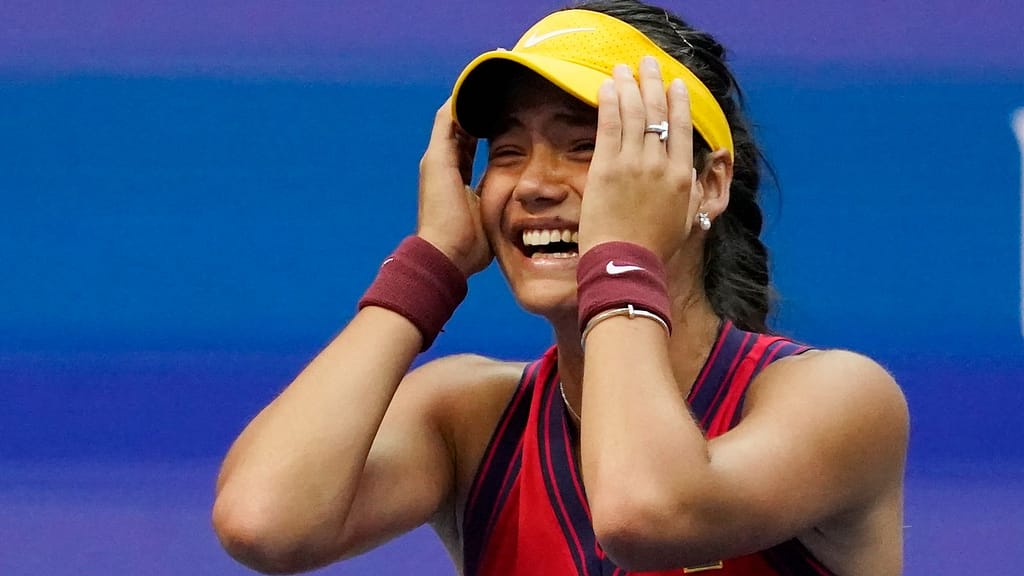
3. Use Routines to Create Stability
Athletes have pre-performance routines that anchor them. Rafael Nadal adjusts his bottles in a precise order before serving. Footballers use the same warm-up rituals before matches.
At West Ham, during a relegation battle, we created simple routines for players before games – breathing exercises, mental cues, even music. It gave them Stability in chaos.
In business, routines can do the same. Before a big presentation or pitch, a repeatable routine can calm nerves and sharpen focus.
What you can do:
- Encourage leaders to use breathing or grounding techniques before high-pressure meetings.
- Create team rituals before key deadlines (short huddles, clarity checks).
- Use visualisation to rehearse success.
Key takeaway: Routines reduce uncertainty and anchor performance.
4. Reframe Pressure as Opportunity
The best athletes don’t see pressure as a threat – they see it as an opportunity. They want the ball in the final minute. They want the last serve.
At West Ham, one of the mindset shifts was moving from “we might fail” to “we have a chance to achieve something extraordinary.” That reframing energised the team instead of paralysing it.
In business, pressure moments can be seen as opportunities to showcase skill, gain credibility, and grow resilience.
What you can do:
- Reframe deadlines as chances to prove capability.
- Celebrate the privilege of responsibility.
- Remind teams of past successes under pressure.
Key takeaway: Language shapes perception – and perception shapes performance.
5. Build Resilient Teams, Not Just Resilient Individuals
Resilience is too often treated as an individual trait. In reality, resilience is built collectively. Athletes recover quickly from losses when supported by their team.
At the LTA, Andy Murray’s resilience came not just from his own mindset, but from the support network around him – family, coaches, and a psychologist. That team made him stronger.
In business, pressure moments should never be carried alone. High-performing teams distribute pressure, support each other, and share accountability.
What you can do:
- Create environments where colleagues step up under pressure, not retreat.
- Encourage open discussion of pressure points in projects.
- Build peer support into leadership development.
Key takeaway: Teams outperform individuals when it comes to handling pressure.
6. Recovery is Part of Performance
Elite athletes don’t perform under pressure 24/7. They balance effort with recovery. Sleep, nutrition, and downtime are part of training.
In business, leaders often ignore recovery, burning out through endless pressure. That is unsustainable. Without recovery, performance dips and mistakes multiply.
What you can do:
- Encourage boundaries – rest is part of high performance.
- Build recovery time after major projects or deadlines.
- Model recovery behaviours at the leadership level.
Key takeaway: Resilience is not about grinding harder – it is about balancing pressure with recovery.
Bringing It All Together
The ability to perform under pressure is not reserved for athletes – it is a critical skill for leaders and organisations.
To recap, here are the elite sport secrets you can use in your world:
- Preparation creates confidence.
- Focus on process, not outcome.
- Use routines to create Stability.
- Reframe pressure as opportunity.
- Build resilient teams, not just resilient individuals.
- Recovery is part of performance.
Apply these, and your organisation will handle pressure with the same confidence and composure as elite athletes.
Why This Matters for CEOs and HR Leaders
Pressure will never disappear from business. The only choice is whether it breaks your people – or strengthens them.
As a performance psychology speaker, I help organisations build resilience, confidence, and mindset strategies that allow teams to thrive in high-stakes environments. Through keynotes, workshops, and practical tools, I translate the psychology of elite sport into business language that your people can act on.
👉 If you are looking for a resilience keynote or a practical session on how to perform under pressure, I’d be delighted to help.
Get in touch – say hello – let’s collaborate