
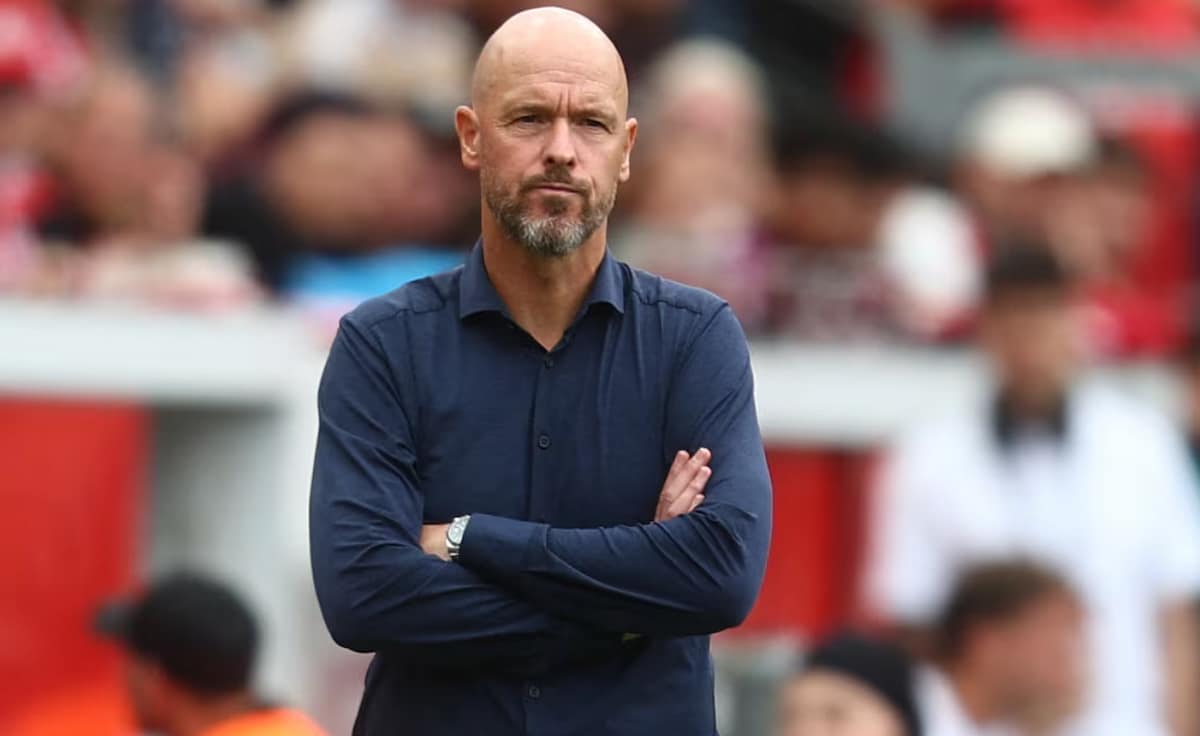
Few positions in world sport combine prestige with such precarity as the role of a football manager.
In the modern game, the cycle of hiring and firing has become faster, the stakes higher, and the scrutiny more intense than ever before. Managers stand in the spotlight, but the psychology of those who appoint them — the owners, CEOs, and Directors of Football — is just as fascinating, and just as flawed.
All too often, decisions are made not on strategy, but on hope.
Respected scout Barry Simmonds summed it up well:
“Too many appointments are made on hope.”
And as football keeps reminding us, hope is not a strategy.
Who’s Really to Blame?
When a manager fails, the conversation often turns to their tactics, stubbornness, or inability to inspire players. But the bigger picture is often ignored:
- Owners want quick fixes, but rarely admit their mistakes.
- CEOs gamble reputations on risky appointments.
- Directors of Football scout players meticulously, but don’t always apply the same rigour to hiring coaches.
- Managers themselves can be too wedded to a philosophy, even when it doesn’t suit the squad they inherit.
The result? A cycle of sackings, severance pay, and instability.
Profiles in Pressure
The start of the 2025–26 season has already brought casualties — and a reminder of how unforgiving football can be.
Graham Potter – West Ham United
- Sacked previously: Chelsea (2023), Swansea (2018, left under pressure).
- Psychology: Appointed for his Brighton style, but judged immediately when results dip. Chelsea already showed the danger of mistaking “potential” for proven readiness.
Rúben Amorim – Manchester United
- Sacked previously: None.
- Psychology: Lauded in Portugal, now under scrutiny at Old Trafford. Appointed for his rigid system, but criticised for being… too rigid.
Russell Martin – Rangers
- Sacked previously: Southampton (Dec 2024).
- Psychology: Dubbed a “dead man walking” after European failure. In the Old Firm spotlight, one bad night can undo months of progress.
Brendan Rodgers – Celtic
- Sacked previously: Liverpool (2015), Leicester (2023).
- Psychology: Domestic dominance is not enough. Champions League exits ignite full-scale crises at Celtic Park.
Ange Postecoglou – Formerly Tottenham Hotspur
- Sacked previously: Spurs (June 2025, despite Europa League success).
- Psychology: Proof that even silverware doesn’t guarantee survival. Owners now prioritise perception and “fit” over trophies.
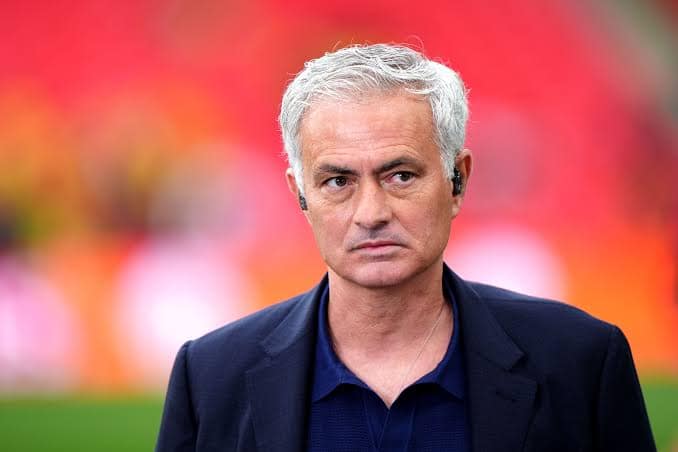
José Mourinho – Recently sacked by Fenerbahçe
- Sacked previously: Roma (2024), Tottenham (2021), Manchester United (2018), Chelsea (twice), and others.
- Psychology: One of the most decorated managers in history, yet still vulnerable to Champions League failure. His dismissal in Istanbul shows that experience doesn’t equal immunity.
Ole Gunnar Solskjær – Recently sacked by Beşiktaş
- Sacked previously: Manchester United (2021).
- Psychology: Gone less than an hour after a Conference League exit. Even early promise and popularity couldn’t buy him time.
Erik ten Hag – Recently sacked by Bayer Leverkusen
- Sacked previously: Manchester United (2024).
- Psychology: Shocked to be dismissed after just three games in Germany. His complaint of lacking “mutual trust” highlights a growing problem: many boards hire managers with no real conviction in the first place.
The 24/7 Pressure Cooker
- In England, managers can be dismissed within weeks of the season starting.
- In Scotland, a single European result can define reputations.
- In Turkey, even legends like Mourinho are given no margin for error.
- Social media magnifies every setback into a crisis.
Despite armies of analysts and support staff, managers still appear as lonely figures when the camera zooms in. They are the public scapegoats for systemic failings.
Lessons for Football — and Beyond
The psychology of football appointments holds lessons for sport, business, and leadership:
- Hope ≠ Strategy: A good season is not a long-term plan.
- Profile the Person, Not Just the Tactics: Resilience, adaptability, and cultural fit matter as much as analytics.
- Shared Accountability: Owners, CEOs, and Technical Directors must shoulder responsibility, not just the coach.
- Adaptability is Survival: Leaders must adjust philosophies to their environment, not force the environment to fit them.
Final Thought
Football clubs must move away from gambling on hope. Without strategic rigour, psychological due diligence, and shared accountability, the sack race will only intensify.
For now, the merry-go-round spins on. The question isn’t if another manager will go — but who’s next.
Ready for change?