
In recent weeks, the football world has seen a dramatic acceleration in managerial turnover. It’s no longer something we expect to creep up throughout the autumn — the dismissals are happening now. And there are a lot of businesses, leaders, and speaker-bookers who can learn from this chaos.
Recent Managerial Departures: Mourinho, Solskjaer, Ten Hag, and More
Here are some of the high-profile exits so far, illustrating how fragile leadership can be — whether on the sideline or in the boardroom:
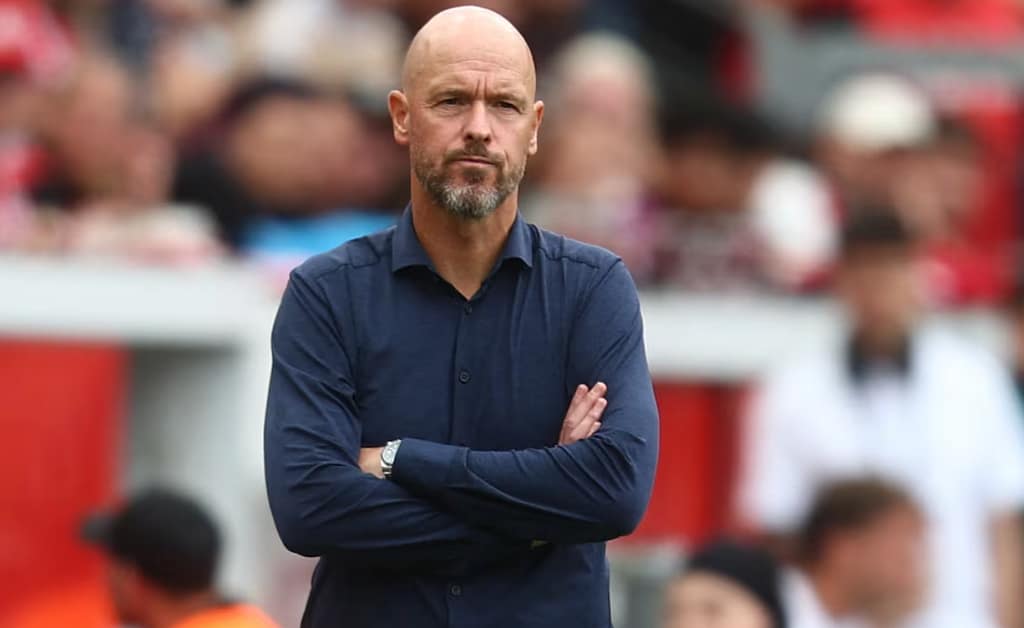
- Erik ten Hag was dismissed by Bayer Leverkusen just three matches into his tenure. His first primary job since leaving Manchester United, Ten Hag’s exit was sudden and sets a new kind of precedent for how little time some clubs believe leaders deserve.
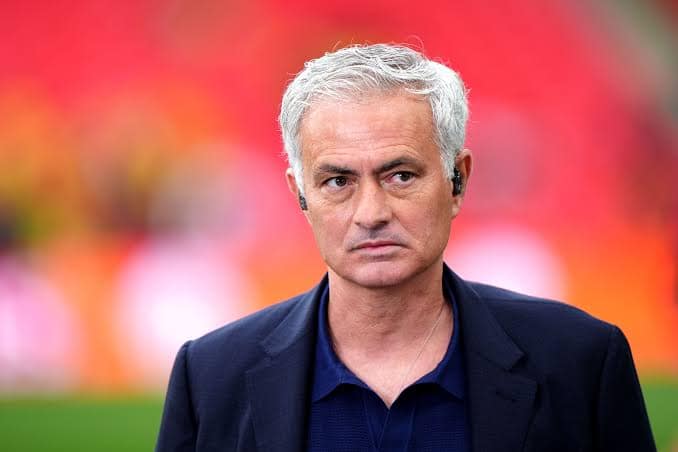
- José Mourinho, Ole Gunnar Solskjaer, and Erik ten Hag are three former Manchester United managers who have all been sacked by different clubs within a very short span of time. It’s become something of a grim rolling story in the media: the same names, changing clubs, changing expectations, changing outcomes.
- Rubén Sellés is another recent example. Sheffield United dismissed him after a disastrous start: six games with no wins, no goals, and a 5-0 defeat to Ipswich Town. The board acted swiftly.
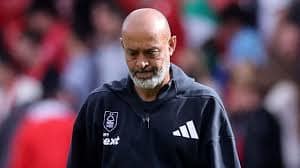
- Nuno Espirito Santo has also lost his post this season at Nottingham Forest. The breakdown wasn’t just about results — there were issues with governance, relationships, and emotional wear-and-tear. Boards are less patient when the gaps between promise and performance are visible.
These examples show that in football, as in business, leaders are often given shorter leashes than they used to be. But that doesn’t necessarily mean it’s unfair — it means the pressure is real, and preparing for it is more important than ever.
Who’s Next? The Odds on Which Premier League Manager Might Be Sacked First (2025/26
Here are some of the current “sack race” odds, based on recent reporting and betting markets. These odds reflect the perception of risk, which can also serve as a signal to organisations, teams, and leadership about where belief is weak, expectations are high, and stability is suspect.
| Manager | Approximate Odds to Be Next to Leave | Key Context Making Them a “Favourite” to Go |
| Graham Potter (West Ham United) | ~ 11/10 | A poor start to the season, marked by heavy defeats and defensive frailties. The board and fans alike are uneasy. |
| Rúben Amorim (Manchester United) | ~ 5/2 | Big investment, big expectations, already early setbacks and criticism. It’s often in the gap between expectation and performance that leaders feel the heat. |
| Vítor Pereira (Wolves) | ~ 5/1 | A club with ambitions, but early struggles and a difficult transfer window cause concern. |
| Daniel Farke | ~ 8-9/1 | As a recently promoted manager with lower expectations, but performance pressure remains for survival and adaptation. |
(Note: odds change quickly, and are often a reflection of media pressure, fan expectations, recent results, and board perception rather than just performance alone.)
What Businesses Can Learn
So what do these sackings and odds tell us about leading teams in business? Here are some translated insights:
- Expectations outstrip patience
Many of these managers were not given the luxury of a long runway. Boards are quick to act when results don’t align. In business, that means teams and leaders must build credibility early — even small wins matter. - Clarity of roles, purpose, and accountability
When things go wrong, ambiguity is often exposed. Who was responsible for what? Who made which decisions? In football, mixed messages lead to chaos on the pitch. In business, similar confusion damages trust, performance, and morale. - Communication matters more under pressure
Poor start? Heavy losses? Fans (or employees) will ask questions. How a leader communicates what’s happening — honestly, early, with empathy and perspective — can make the difference between a crisis that sinks you and one you weather. - Resilience and structure are core
In many cases, managers who fail aren’t failing because they didn’t want to succeed — they failed because the structure around them lacked support: team cohesion, shared standards, consistent mental preparation. The top teams (in sport and business) tend to build resilience into their culture so that shocks don’t lead to collapse.
Where My Laws of Effective Teamwork Talk Come In
In my Laws of Effective Teamwork keynote, I explore exactly these themes:
- How to align purpose, roles, and expectations early, so everyone knows where they stand.
- How to build team resilience so setbacks don’t spiral into crises.
- How leaders can communicate with clarity under pressure (without losing trust or credibility).
- Practical tools from performance psychology — used by elite athletes — that help teams maintain peak performance even when “the crowd”, the deadline, or the board is breathing down their neck.
If you’re responsible for selecting speakers for leadership events, off-sites, or internal training sessions, this isn’t just a “nice-to-have”. It’s essential. Because the pace of change, the demand for results, and the pressure to perform are only accelerating.
Conclusion
Football has always been a mirror for organisational life. The names may be different (manager, CEO, team lead), but the dynamics are often eerily similar. Managerial exits, odds, and sack races aren’t just sporting gossip — they’re signals of what happens when expectations, leadership, and structures misalign.
If leaders and teams want to avoid being the next name on the chopping block (or the following word in the sack race odds), they need to build resilience, clarity, alignment, and structure before things get bad. That’s what distinguishes the teams (on the pitch or in the office) that survive turbulence without collapse.