

In elite sport, teamwork is the single most decisive factor in achieving success. The same is true in business. As leaders, we often assume that assembling talented individuals guarantees high performance – but history, both in sport and in organisations, tells a very different story.
Talent without teamwork is wasted potential. Effective teamwork creates the foundation for resilience, innovation, and long-term results.
Over my career as a performance psychologist speaker, I’ve worked with Premier League football teams, Olympic champions, world-class tennis players, and global businesses. In every environment, the same truth has emerged: the laws of teamwork apply universally.
This article explores those laws, illustrated with real-world case studies from sport and business, and shows how you can apply them to transform your organisation.
Why Businesses Struggle with Teamwork
Before diving into the laws, let’s acknowledge the pain points many CEOs and HR leaders face:
- Silos – teams hoard knowledge and fail to share best practices.
- Lack of alignment – individuals prioritise personal agendas over collective goals.
- Unclear purpose – people lose sight of why their work matters.
- Erosion of trust – accountability is weak, and miscommunication is frequent.
- Low resilience – setbacks create blame, disengagement, and stress.
Sound familiar? These challenges are not unique to your organisation – they are universal. The difference lies in how leaders respond.

Law 1: Shared Purpose Always Beats Individual Talent
Elite sports history is littered with teams of superstars who failed to deliver. Why? Because individuals prioritised personal glory over collective success.
One of the most potent examples from my career came at West Ham United. When I worked with Alan Curbishley, the club was staring at relegation. Morale was low, and despite having talented players like Carlos Tevez and Mark Noble, the team wasn’t functioning.
What turned it around wasn’t signing more players – it was building a shared purpose. We created clarity about what survival meant, why it mattered, and how every single player’s role contributed to that mission. The result? A remarkable turnaround – beating Arsenal and Manchester United away and surviving against all odds.
How to Apply This in Business:
- Create and communicate a clear vision that unites everyone.
- Connect individual roles to the bigger organisational mission.
- Use stories and examples that remind people why their work matters.
Key takeaway: Teams that share a common purpose outperform teams that only share office space.
Law 2: Communication is the Competitive Edge
In professional football, one poor call from a teammate can cost a goal – and with it, the match. Elite teams don’t just talk – they communicate with clarity, consistency, and trust.
When I worked with the Lawn Tennis Association (LTA), we built “Team Murray” around Andy Murray. Andy was already an exceptional talent, but it was the communication across the team – including physiologists, coaches, family, and a psychologist – that created alignment. Everyone knew what Andy needed, what their role was, and how to communicate under pressure. That communication helped transform him from a talented player into a Grand Slam and Olympic champion.
In business, poor communication is one of the biggest performance killers. Silos deepen, people duplicate work, and opportunities are lost.
Strategies for Leaders:
- Keep communication structured and straightforward.
- Encourage feedback in both directions – leaders must listen as much as they speak.
- Build rituals: daily huddles, weekly check-ins, monthly reviews.
Key takeaway: Effective communication is not about talking more – it is about speaking clearly, listening actively, and ensuring alignment.
Law 3: Resilience is a Team Sport
Resilience is often framed as an individual quality. In truth, the strongest resilience comes from teams that support each other through setbacks.
Working with Olympic athletes like Jeanette Kwakye, I saw how resilience was rarely about one person’s grit alone. Sprinters face disappointment in fractions of a second. The difference-maker was often the support from their training group, coaches, and shared environment. When setbacks came, they didn’t carry the weight alone – they rebuilt together.
In business, the same applies. Change, setbacks, and uncertainty are inevitable. How your team responds determines performance.
Ways to Build Resilience at Work:
- Normalise setbacks – treat them as learning opportunities, not failures.
- Create a culture of psychological safety that fosters open communication.
- Celebrate small wins regularly to build momentum.
Key takeaway: Resilience is not about avoiding challenges – it is about facing them together.
Law 4: Accountability Drives Trust
In elite sport, accountability is non-negotiable. Every pass, tackle, or mistake is visible. Players know that their teammates depend on them.
In the Premier League dressing rooms I’ve worked in, accountability wasn’t about blame – it was about ownership. Players respected those who gave everything and honoured commitments. That culture of accountability built trust between teammates and between players and coaches.
In business, accountability is often misunderstood as blame. But proper accountability is about ownership. When people hold themselves accountable, trust grows.
Practical Applications:
- Set clear expectations for performance and behaviour.
- Establish peer accountability – encourage colleagues to support and challenge each other.
- Recognise and reward individuals who consistently deliver.
Key takeaway: Accountability is not about punishment – it is about trust, responsibility, and pride in performance.
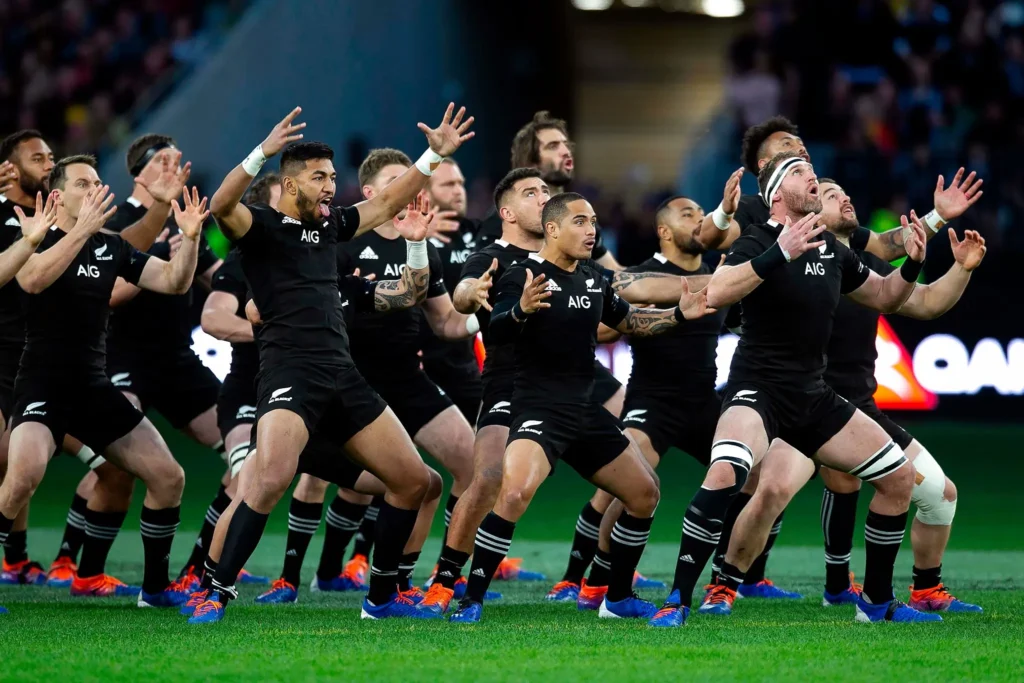
Law 5: Culture Eats Strategy for Breakfast
The best strategies in the world will fail without the right culture to support them.
Culture is what happens when leaders are not in the room. It is the everyday behaviours, values, and norms that shape performance.
At West Ham, part of the turnaround came from rebuilding a culture of belief, fight, and mutual respect. At Team Murray, culture meant everyone prioritising Andy’s long-term development over their own egos. In both cases, culture sustained performance when strategies alone would have fallen short.
What Winning Cultures Share:
- Clarity – everyone knows what matters most.
- Consistency – behaviours align with stated values.
- Courage – people feel safe to innovate, challenge, and contribute.
Key takeaway: Culture is not built by posters on the wall – it is built by everyday actions.
Law 6: Fun Fuels Performance
This might surprise you. Fun is not frivolous – it is fundamental.
In high-pressure environments, moments of humour, play, and lightness reduce stress, strengthen bonds, and increase engagement. Elite teams know how to train hard – but they also learn how to laugh together.
I’ve seen it countless times in sport – whether it’s footballers joking in the dressing room before a challenging game, or Olympic athletes sharing a laugh during intense training blocks. Those moments of levity are not wasted time – they are performance enhancers.
Why Fun Matters in Business:
- Boosts creativity and problem-solving.
- Increases engagement and motivation.
- Builds social bonds that sustain performance under pressure.
Key takeaway: Fun is not the enemy of performance – it is a driver of it.
Bringing It All Together
The laws of effective teamwork are not abstract theories. They are practical, evidence-based principles proven in elite sport and directly transferable to business.
To recap:
- Shared purpose always beats individual talent.
- Communication is the competitive edge.
- Resilience is a team sport.
- Accountability drives trust.
- Culture eats strategy for breakfast.
- Fun fuels performance.
Apply these, and your organisation will not only perform better – it will feel better, and it will have more fun doing so.
Why This Matters for CEOs and HR Leaders
Your role is not just to manage structures and systems – it is to create environments where people thrive. By embedding these laws into your leadership approach, you can:
- Increase engagement and motivation across teams.
- Reduce conflict, silos, and miscommunication.
- Build a resilient workforce that adapts to change.
- Create a culture that attracts and retains top talent.
Final Thought
Great teams don’t just happen – they are built deliberately. Whether on the football pitch or in the boardroom, teamwork is the ultimate differentiator.
If you want to transform your teams into high-performing, resilient, and motivated units, I can help. Through engaging keynotes, interactive workshops, and proven psychology-based strategies, I demonstrate to leaders how to apply the principles of effective teamwork in practical, actionable ways.
👉 If your next event needs a motivational speaker UK who combines psychology, elite sport, and business insight, get in touch today.
Get in touch – Let us help.